

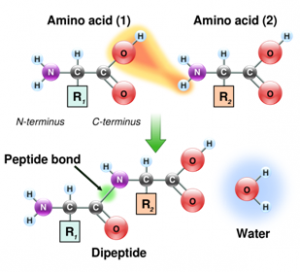
ghk cu copper peptide – this may sound like a bunch of scientific jargon, but it holds the key to beautiful and youthful skin. If you’re someone who is always looking for ways to improve your skin’s health and appearance, then the word “peptides” should be on your radar. Peptides are a powerhouse ingredient in the world of skincare due to their ability to help transform our skin from dull and lackluster to vibrant and glowing. In this article, we will delve into what peptides are, how they work, and why they are hailed as the holy grail of anti-aging ingredients.
The Basics of Peptides
Peptides are short chains of amino acids – the building blocks of protein. They act as messengers in the body, promoting communication between cells. In skincare, peptides are used to send messages to our skin cells to produce more collagen, elastin, and other vital proteins that keep our skin supple and plump. As we age, our body’s natural production of these proteins slows down, resulting in fine lines, wrinkles, and sagging skin. Peptides step in to stimulate our skin’s natural repair process and, in turn, restore its youthful appearance.
The Benefits of Peptides for Your Skin
Peptides have several skin benefits, making them one of the most sought-after ingredients in the beauty industry. First and foremost, peptides are excellent at boosting collagen production, which helps keep our skin firm and elastic. As a result, incorporating peptides into your skincare routine can reduce the appearance of wrinkles and fine lines, giving your skin a more youthful look. Additionally, peptides help improve skin texture, increase hydration levels, and even out skin tone. This makes them a must-have in any anti-aging skincare regimen.
The Different Types of Peptides
Not all peptides are created equal – different types of peptides have varying effects on the skin. Some of the most commonly used peptides in skincare include collagen peptides, copper peptides, and neuropeptides. Collagen peptides help boost the production of collagen and improve skin elasticity. Copper peptides have antioxidant properties and promote wound healing, making them great for reducing the appearance of scars and blemishes. Neuropeptides, on the other hand, work to relax facial muscles, smoothen wrinkles and fine lines.
How to Incorporate Peptides into Your Skincare Routine
If you’re convinced of the power of peptides, you may be wondering how to add them to your skincare routine. The good news is that many skincare brands are now incorporating peptides into their products, making it easier than ever to reap their benefits. You can find peptides in a variety of products such as serums, moisturizers, eye creams, and even face masks. For optimal results, use products with peptides consistently and according to the manufacturer’s directions.
Caution: Not All Peptides Are Created Equal
While peptides are generally safe and effective for most people, it’s essential to keep in mind that not all peptides are created equal. With the rise in popularity of peptides, many unscrupulous companies have jumped on the bandwagon, selling products with low-quality or ineffective peptides. To ensure you’re getting the best peptides for your skin, look for reputable brands and check the ingredient list for known peptides like Matrixyl, Argireline, and GHK-Cu. It’s also a good idea to do some research and read reviews before purchasing any peptide products.
In Conclusion
In a nutshell, peptides are a game-changer in the world of skincare. They offer numerous benefits for our skin’s health and appearance and are backed by science. Incorporating peptides into your skincare routine can help you achieve a smoother, firmer, and more youthful complexion. So why not embrace the power of peptides and say hello to glowing, radiant skin?
If you’re looking to try out some ghk cu copper peptide products, check out our store for high-quality peptide-based skincare that will leave your skin looking and feeling its best. Say goodbye to dull, aged skin and hello to a more youthful you with the power of peptides.
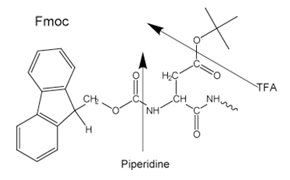 ghk cu copper peptide“>